Mindsets: Chess in Education Pre-Conference Reception
Seeing chess woven into school life at Hunter showed me what is possible for students, families, and schools, and shaped how The Dawson Chess Academy can help cultivate chess culture locally.
When we arrived at Hunter College where the Mindsets: Chess in Education pre-conference reception was held, I expected to walk into a university. Instead, stepping into the space and learning that it was an elementary school (Kindergarten to 6th grade) and a high school (7th to 12th grades) combined, it was a much softer, more intimate atmosphere than expected. At first glance, it looked like a building hosting a special event.
What I did not realize at that moment was just how deeply the school’s culture, its pride, and its relationship with chess would reveal themselves later in the evening.
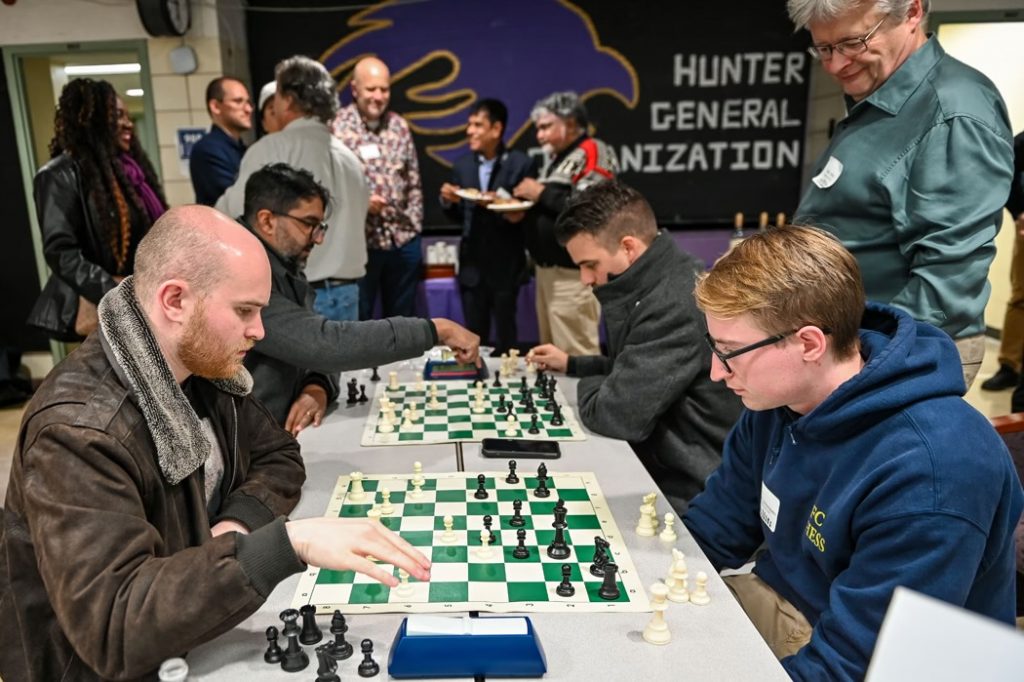
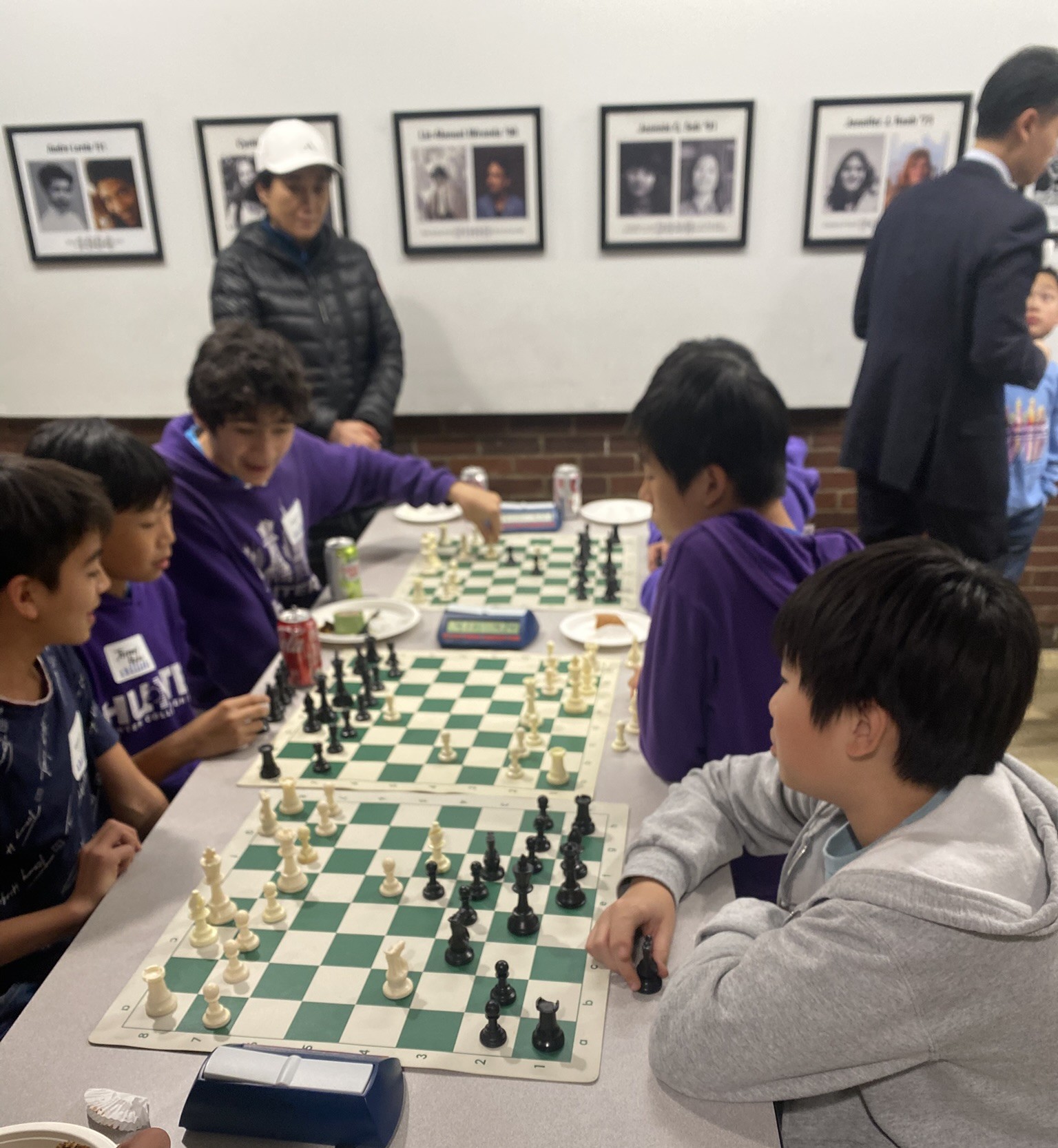
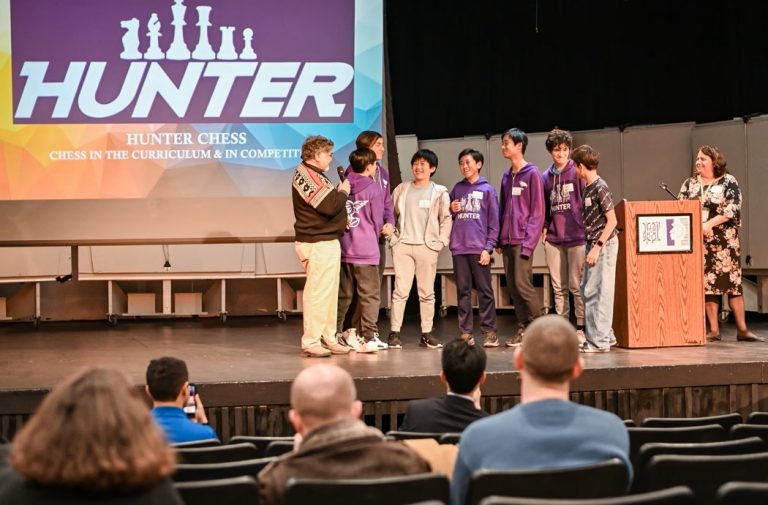
Just outside the auditorium where the reception was held, several tables had been set up with chess boards. Children gathered around these tables playing chess with complete ease—not because they were instructed to, but it was clear that it was because they found it fun. As the evening unfolded, there was food on nearby tables, and the entire space felt warm and communal. Many of the children wore matching purple “CHECK MATE” team hoodies, signaling both identity and belonging.
And it wasn’t only the children. Several adult attendees—coaches, educators, and guests—followed the children’s example and were also playing chess at these same tables throughout the evening, joining in the atmosphere of curiosity and connection. There was something beautiful about watching children and adults play side by side, bridging age and experience purely through the game.
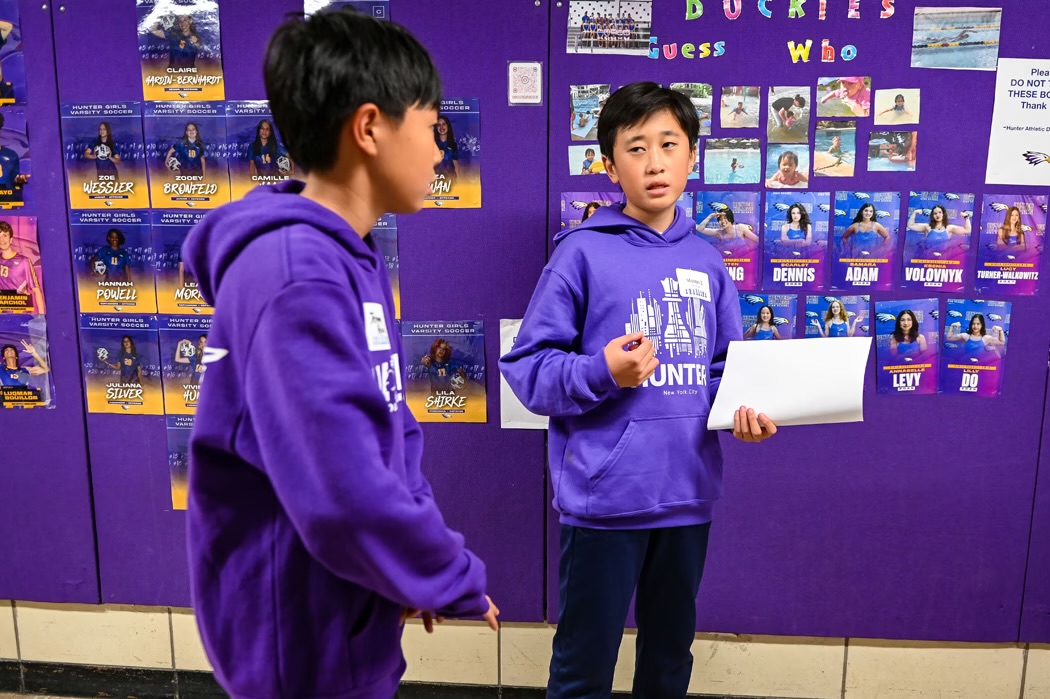
Later in the evening, by pure coincidence, we met a parent whose 7th grade son happened to be part of that group of players. To our surprise, this same boy ended up leading a small group of us—including David and me—on a tour of the school. It was during this tour, not upon entering the building, that the true depth of the school’s values and culture unfolded before me.
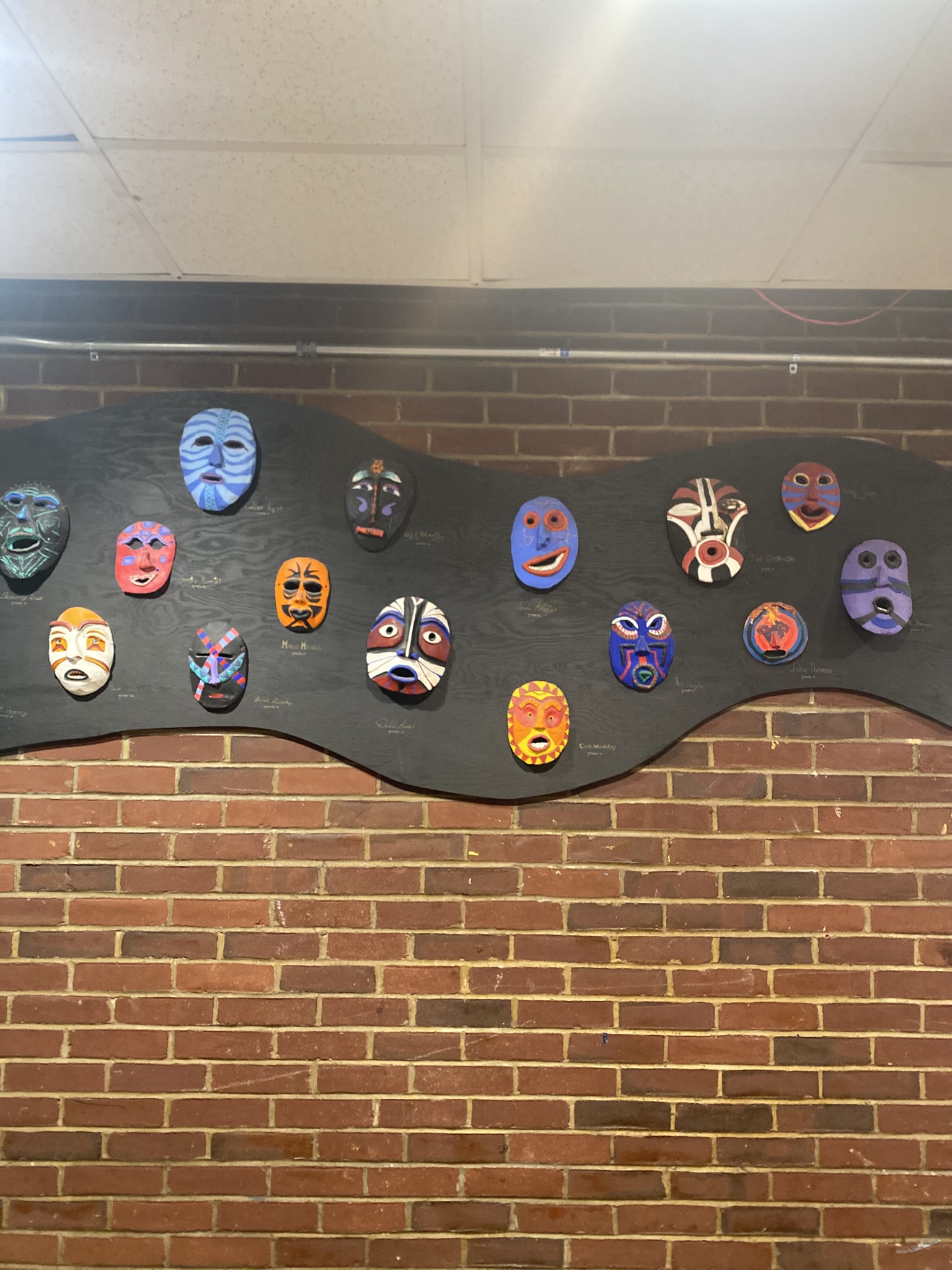
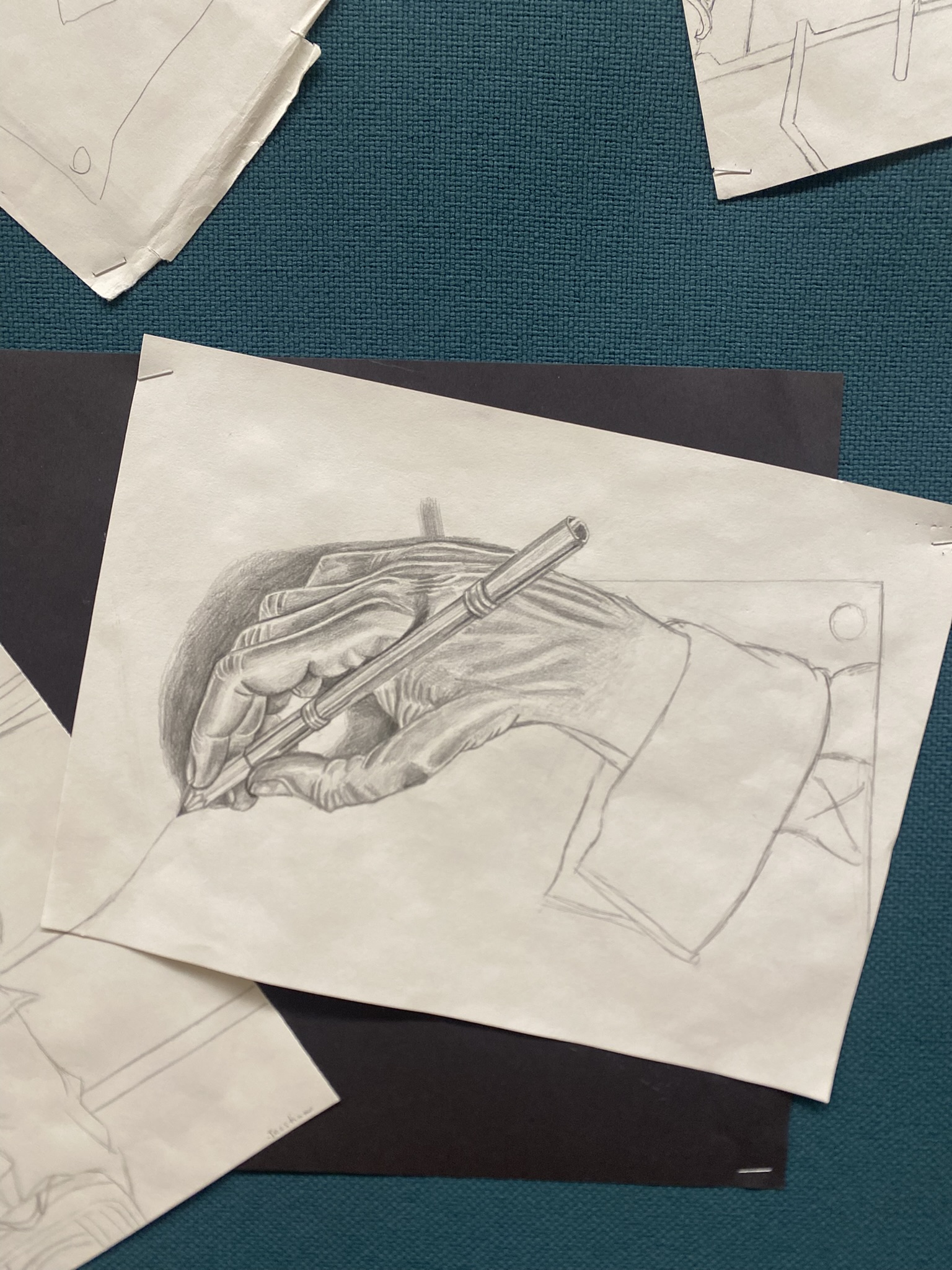
Walking the hallways with our tour guides, I was immediately struck by the artwork displayed along the walls. These were not simple classroom projects. The handmade masks were bold and expressive. The painted tile pieces were arranged with precision and imagination. And the pencil drawings of hands—incredibly detailed and beautifully shaded—reflected patience, focus, and genuine artistic instruction.
This wasn’t just “kids making art.” It felt like a school that teaches children to look closely, think deeply, and take pride in their process—the very qualities that make strong chess players.
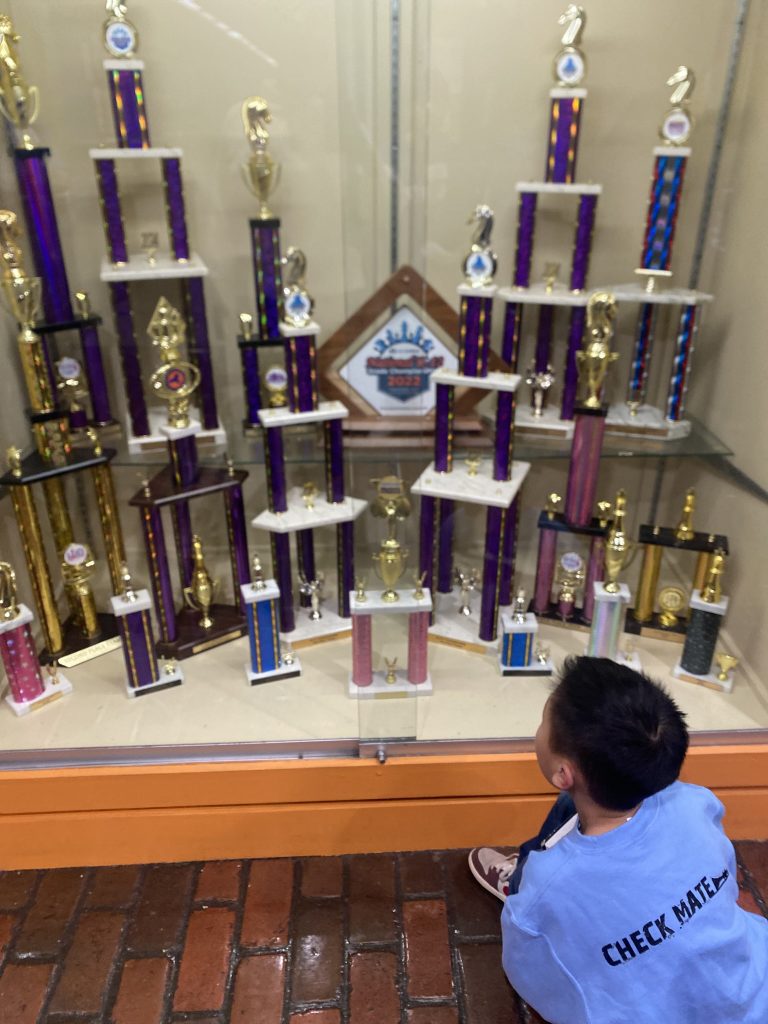
As the tour continued, we reached a dedicated chess trophy case—separate from the other sports trophies housed elsewhere in the building. This case held years of accomplishments: towering trophies from national events, polished plaques, and awards that reflected both team success and individual excellence.
One of the most touching moments came quietly: a young boy in a purple team sweatshirt bent in front of the case, gazing at the trophies in awe. His face isn’t in the photo, intentionally to protect his privacy, but his posture says everything. I couldn’t tell if he was looking at one of his own trophies or imagining the possibilities no curriculum alone could teach directly, because some things grow from the environment a child is immersed in.
This entire experience—the art, the trophies, the pride, the student-led tour—revealed the school’s values in ways no brochure or presentation ever could. The environment seemed to speak for itself, shaped by creativity, discipline, and a deep respect for learning.
The tour was informal, yet it became one of the most meaningful parts of the evening. It showed me what a truly mature chess culture looks like when it is supported by community, enriched by creativity, and lived authentically by the students themselves.