Mindsets: Chess in Education Conference (December 6, 2025, New York City)
I attended the Mindsets: Chess in Education Conference in New York City to learn how chess can support student learning and confidence.
A Few Highlights
- Sunil Weeramantry shared a powerful insight about building chess programs that last beyond any single person.
- This reinforced our goal to build a sustainable chess ecosystem for families and students in Milford.
- Thoughtful chess education is not about just creating some champions. It’s also about helping children become confident thinkers and lifelong learners.
Why This Conference Mattered
I attended the Mindsets: Chess in Education Conference on December 6, 2025, at Quorum in New York City. The room was filled with educators, researchers, grandmasters, nonprofit leaders, and school administrators. People deeply committed to understanding how chess can shape the way children think, learn, and grow.
From the very beginning, the purpose of the day was clear: to explore how chess can meaningfully support students’ thinking, confidence, and opportunities, and how educators can teach it in ways that last.
Sunil Weeramantry and Michael Khodarkovsky Set the Tone
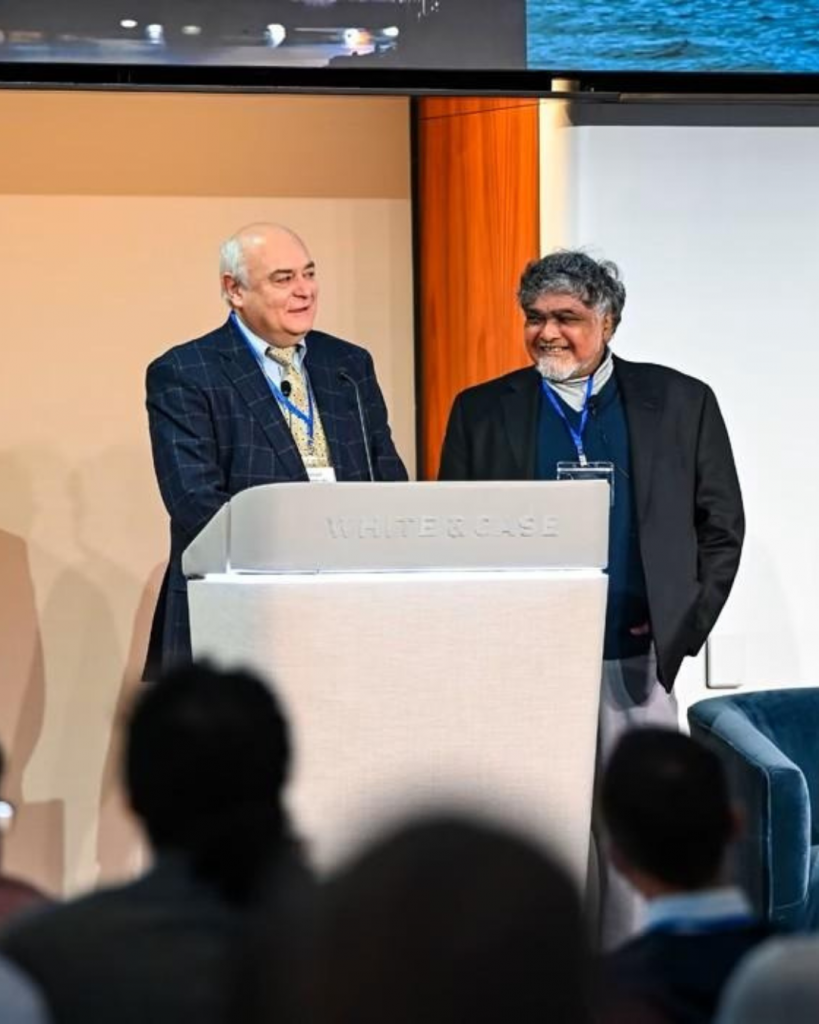
The conference opened with Sunil Weeramantry, Founder of the National Scholastic Chess Foundation (NSCF), and Michael Khodarkovsky, President of the Kasparov Chess Foundation and FIDE Vice President.
Together, they spoke with warmth, humility, and a shared commitment to sustainability in chess education.
Sunil shared stories from his decades of experience, including his work with leading private and public schools, national championships, and his reflections as both an educator and a parent. One line especially stayed with me:
“The problem with most chess programs is they last as long as the main person… then they die.”
That sentence echoed something David and I feel deeply as we build The Dawson Chess Academy to serve our Milford community. For any program to truly last, the work cannot depend on one person’s personality, availability, or energy alone. It needs thoughtful systems, shared frameworks, and a community of people who can carry the work forward together.
Our goal is to help build a sustainable chess ecosystem in Milford that supports students long after any single program, coach, or season. We see our role as helping connect families, schools, and community partners around a shared vision for chess in Milford.
Michael Khodarkovsky followed by speaking about the global influence of chess and the importance of creating educational structures that outlast any individual leader. He emphasized collaboration, sharing that their organizations are eager to learn from educators around the world and to share what they have learned in return.
That spirit of mutual learning, working together rather than from the top down, felt powerful and sincere, and closely aligned with how we hope to continue growing chess in Milford in partnership with families, educators, and community organizations.
My Reflections on the Opening Session
What struck me most during the welcome session was the shared commitment in the room. Despite the presence of world-class grandmasters and global leaders, the focus was not on prestige. It was on service.
Coming from the work David and I are doing in Milford, serving families through after-school chess programs, group chess coaching, chess workshops, and private chess coaching, I felt a strong connection to the themes that opened the day:
- Sustainability
- Clarity in teaching
- Thoughtful structure
- Community service
- Empowering learners from all backgrounds
This conference was not about programs competing or comparing themselves. It was about educators asking:
- How do we genuinely help people?
- How do we lift students?
- How do we build something that lasts in our community?
That framing set the tone for everything that followed.
A Note for Parents in Milford
For parents reading this, what struck me most is that chess education, when done thoughtfully, is not about creating champions, though that may sometimes be the result. In our Milford community, it is about helping children see themselves as capable thinkers and lifelong learners who can continue to grow, learn, and improve over time.
If you’re curious about how chess can support your child’s thinking, confidence, and learning, we’re always happy to share what we’re seeing in our programs and what we’re learning from educators around the world. You’re welcome to reach out or join one of our community chess sessions to experience it firsthand.