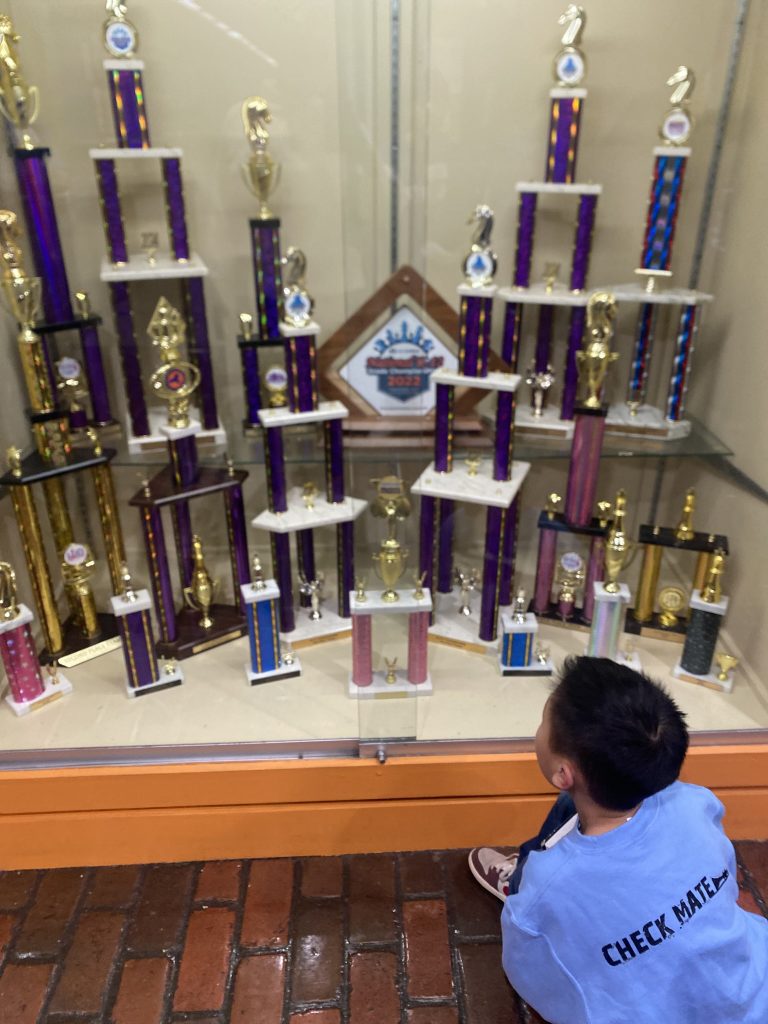
As the tour continued, we reached a dedicated chess trophy case—separate from the other sports trophies housed elsewhere in the building. This case held years of accomplishments: towering trophies from national events, polished plaques, and awards that reflected both team success and individual excellence.
One of the most touching moments came quietly: a young boy in a purple team sweatshirt bent in front of the case, gazing at the trophies in awe. His face isn’t in the photo, intentionally to protect his privacy, but his posture says everything. I couldn’t tell if he was looking at one of his own trophies or imagining the possibilities no curriculum alone could teach directly, because some things grow from the environment a child is immersed in.
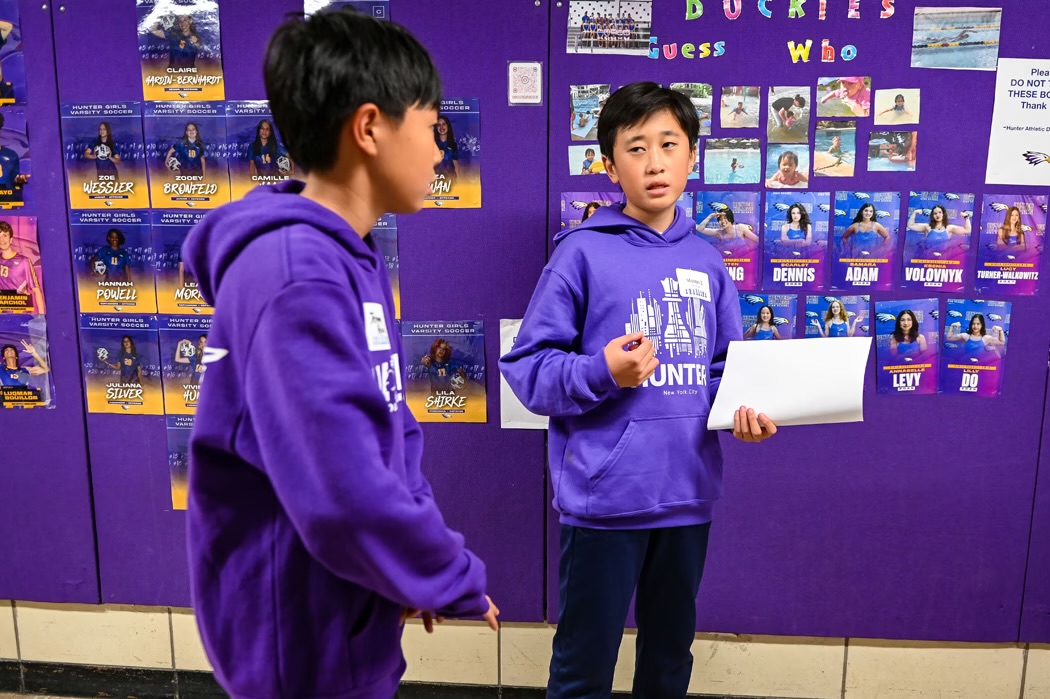
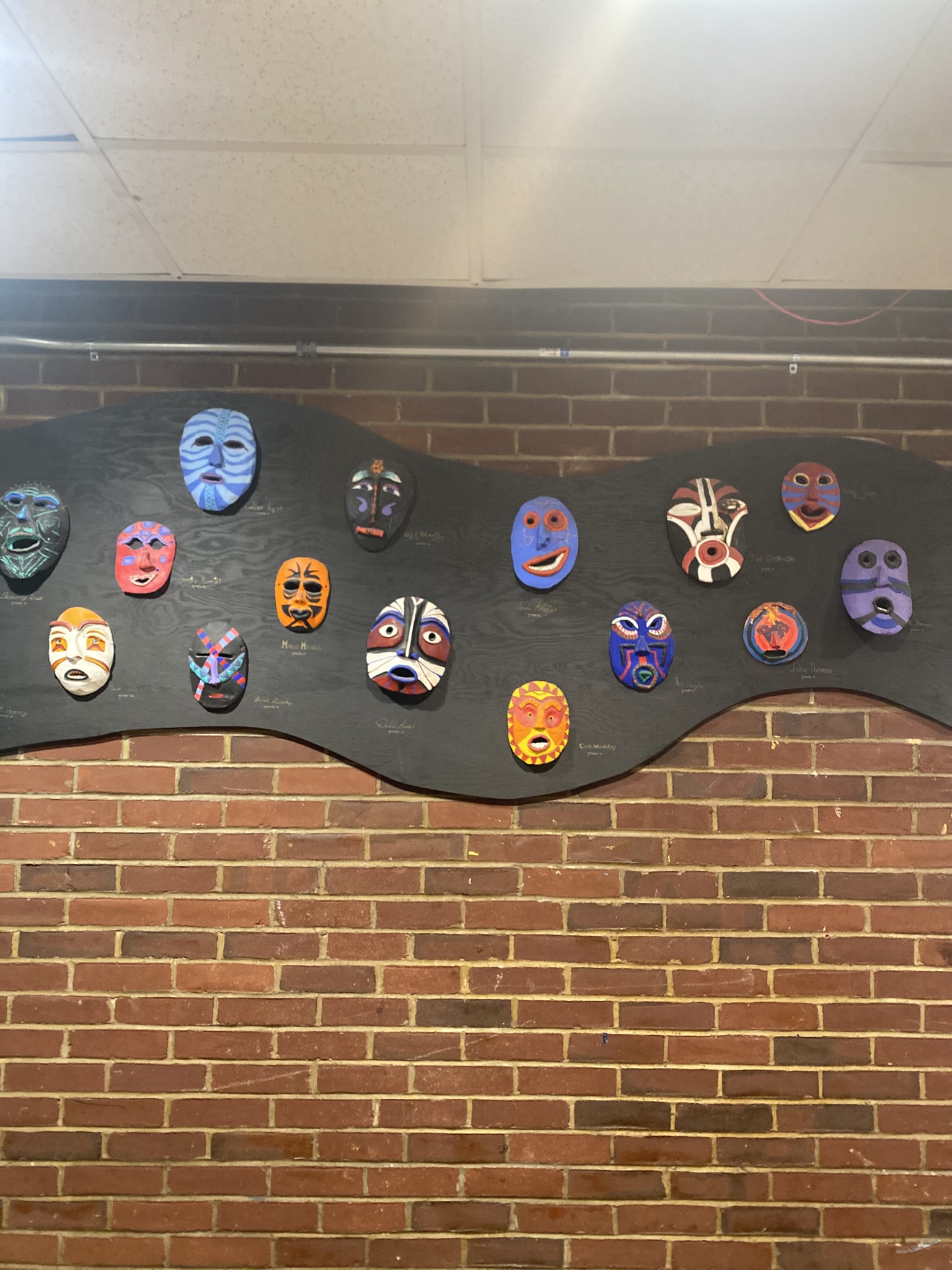
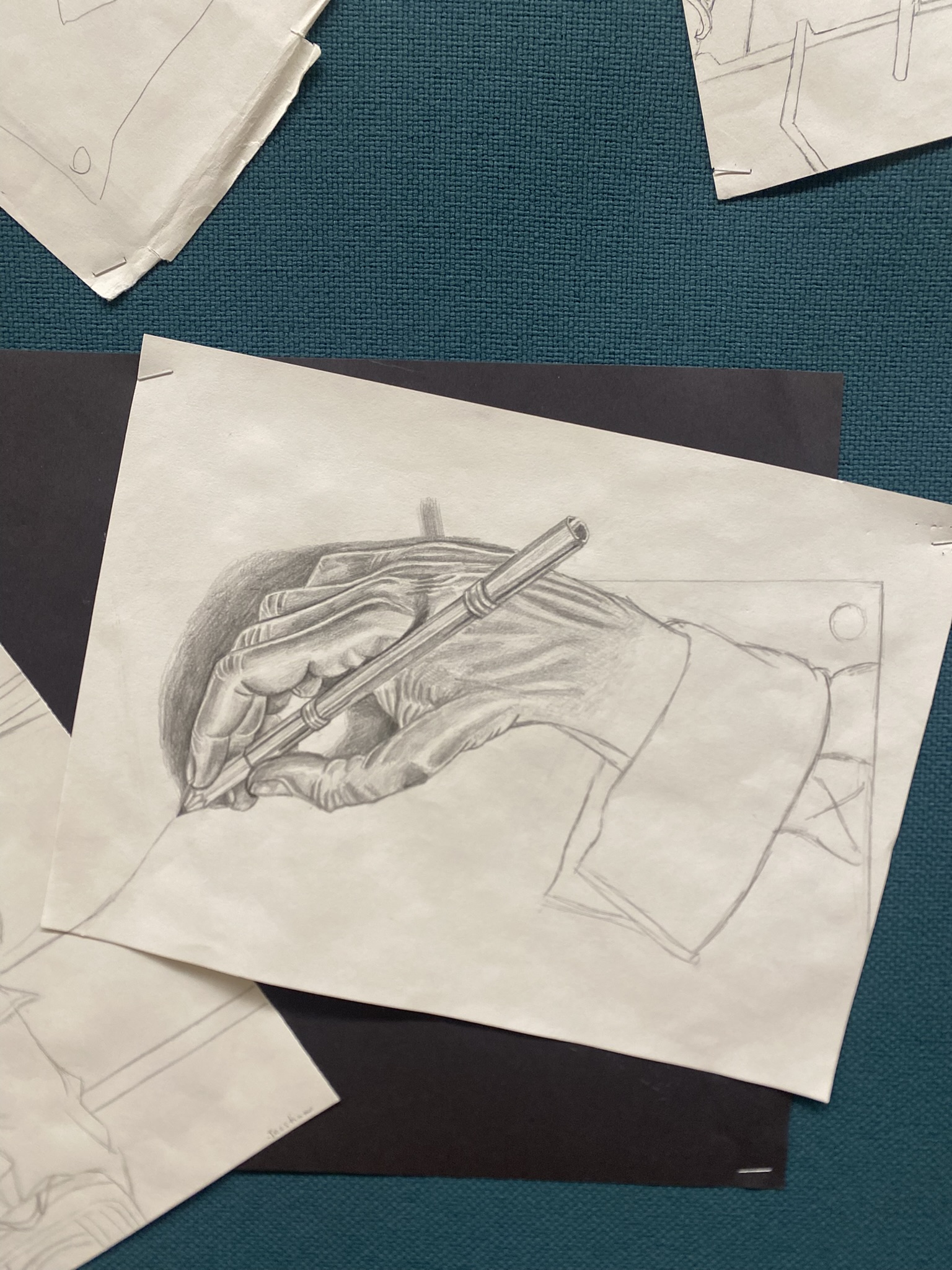
This entire experience—the art, the trophies, the pride, the student-led tour—revealed the school’s values in ways no brochure or presentation ever could. The environment seemed to speak for itself, shaped by creativity, discipline, and a deep respect for learning.
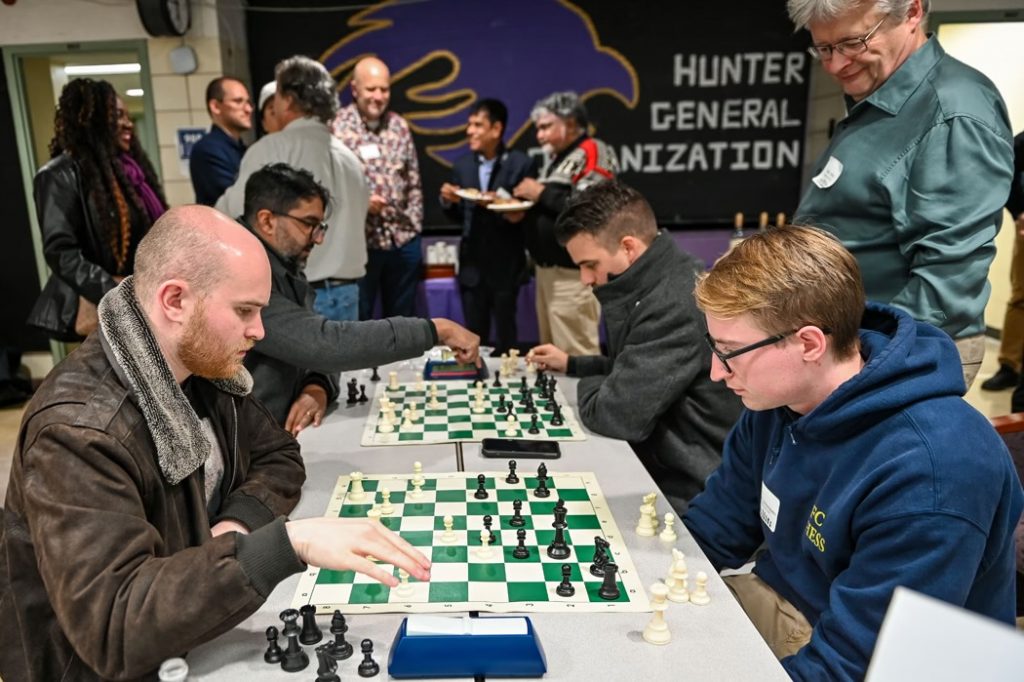
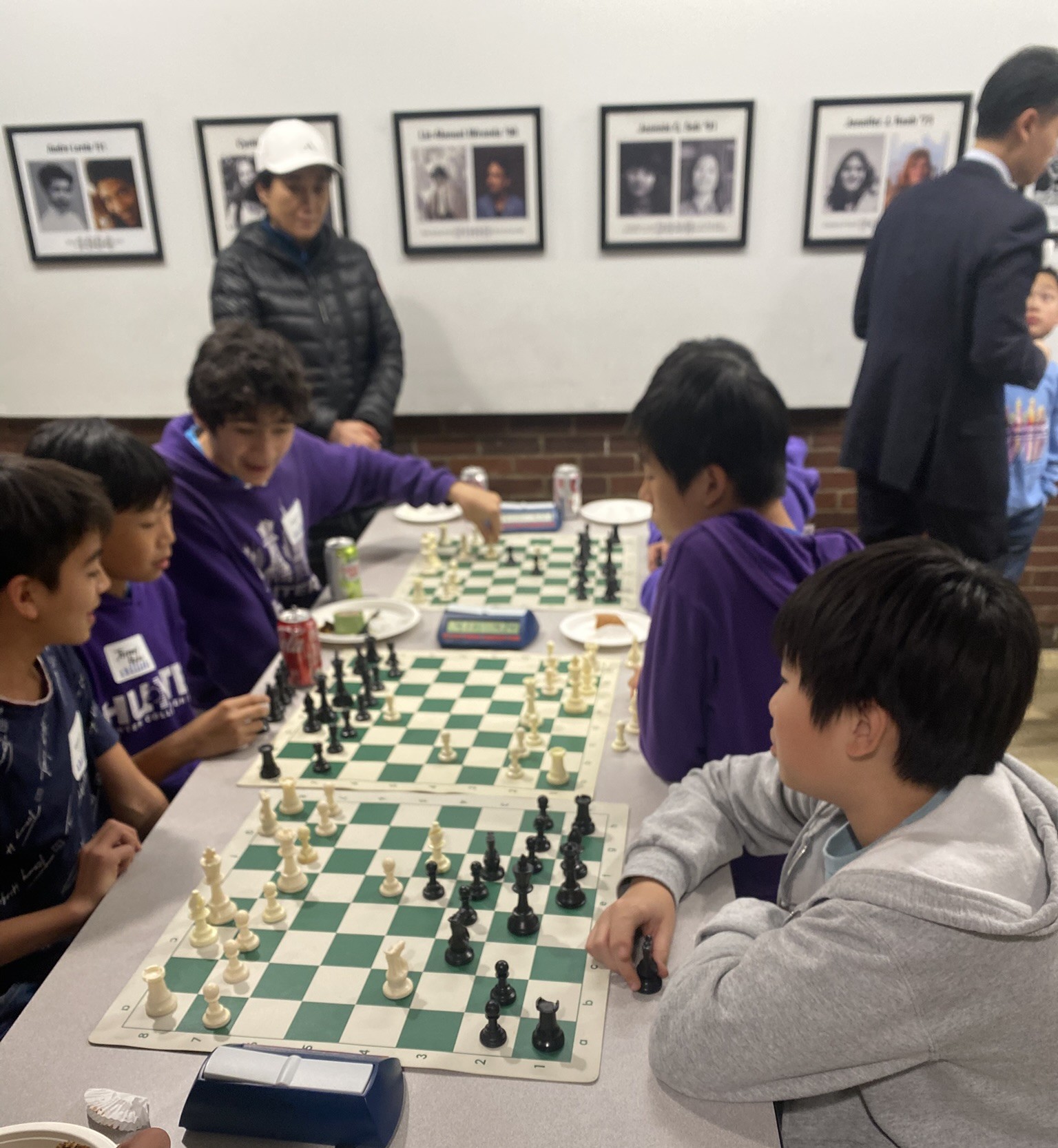
The tour was informal, yet it became one of the most meaningful parts of the evening. It showed me what a truly mature chess culture looks like when it is supported by community, enriched by creativity, and lived authentically by the students themselves.