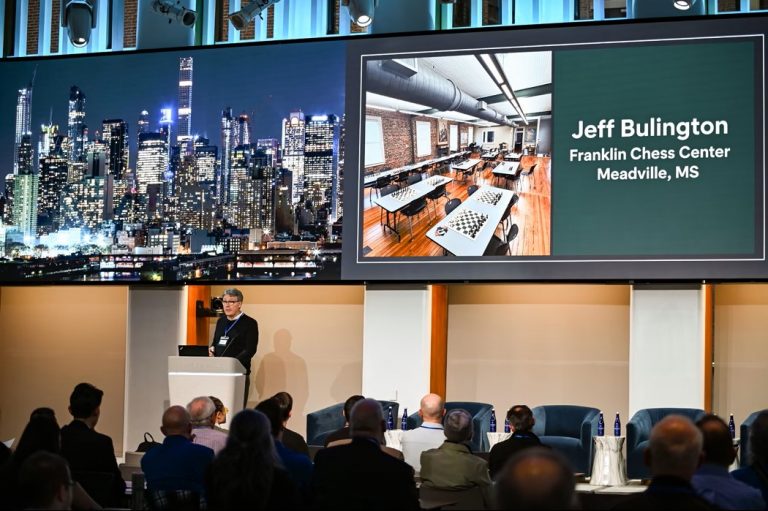
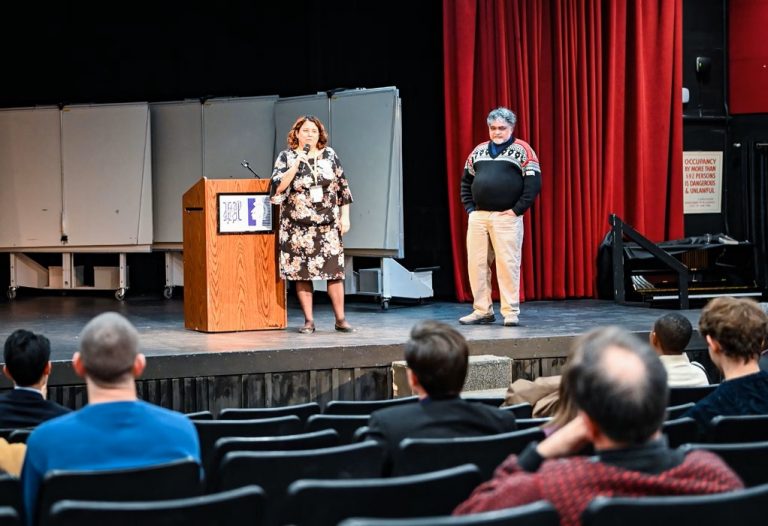
Mindsets: Chess in Education Conference
At the Mindsets pre-conference reception, I witnessed a chess culture with thriving students, inspiring mentors, and a welcoming community that reshaped my vision for work at The Dawson Chess Academy in Milford, Connecticut.
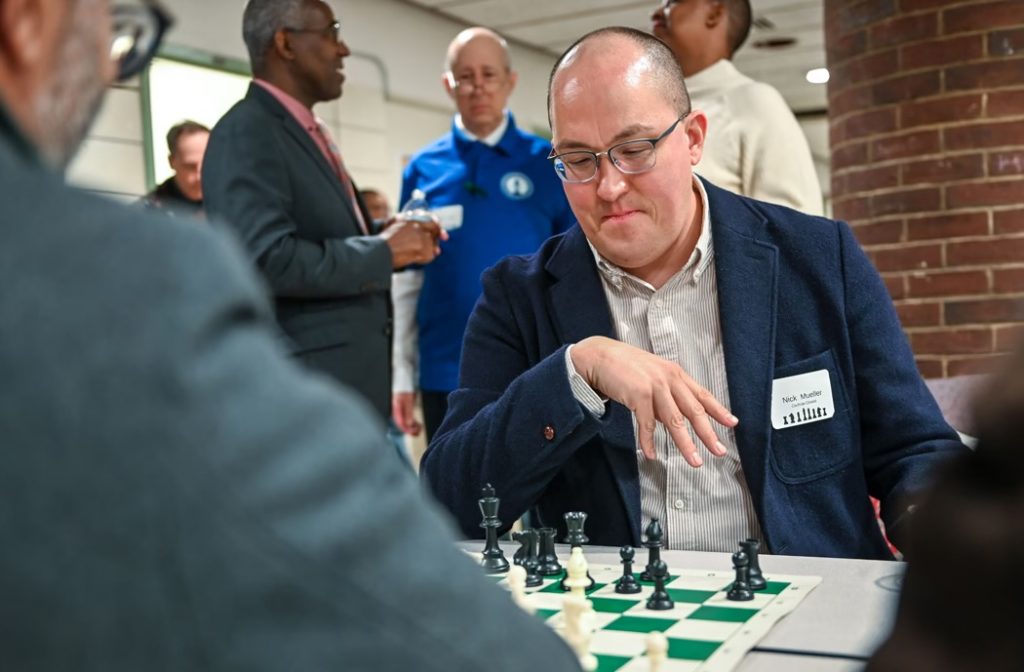
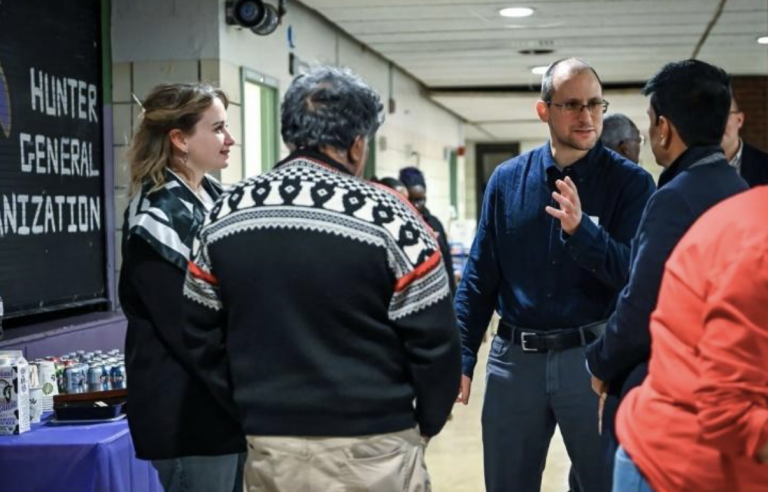
Attending the Mindsets: Chess in Education pre-conference reception on December 5th, 2025, offered me a profound, unexpected, and deeply inspiring glimpse into what a thriving scholastic chess culture looks and feels like from the inside. Hosted by the National Scholastic Chess Foundation (NSCF), the event took place not at Hunter College itself, as I had initially imagined, but at Hunter College Campus Schools—an elementary school (Kindergarten through 6th grade) and a high school (7th through 12th grade). That distinction mattered. My perspective shifted almost immediately, as the environment itself became a central part of the experience.
Just outside the auditorium where the reception was held, children and guest gathered around tables playing chess with complete ease. Watching them, relaxed, social, and fully immersed, I could feel that chess here wasn’t simply an extracurricular option. It was woven into the culture, identity, and values of the school.
Throughout the evening, I observed:
- A school where academic excellence, creativity, and chess reinforce each other.
- A community where children of different ages naturally learn from and support one another.
- A program capable of nurturing players to become extraordinary, including one student, age 13, who is an International Master, rated 2440, who played casually among peers.
- An environment of psychological safety and belonging, visible in the relaxed posture of the children, the natural way they interacted, and the pride reflected in their matching team apparel.
The reception also allowed me to meet several influential figures in scholastic chess—including Sunil Weeramantry, Robert McLellan, and Peter Wells—without initially realizing the full stature of the people I was speaking with. These conversations felt warm, genuine, and rooted in shared passion rather than hierarchy.
Later, I learned that:
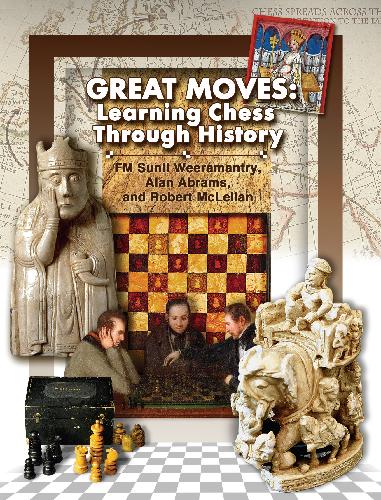
Robert McLellan, whom I had spoken with casually, is a coauthor of Great Moves: Learning Chess Through History, the curriculum book I purchased on the way home.
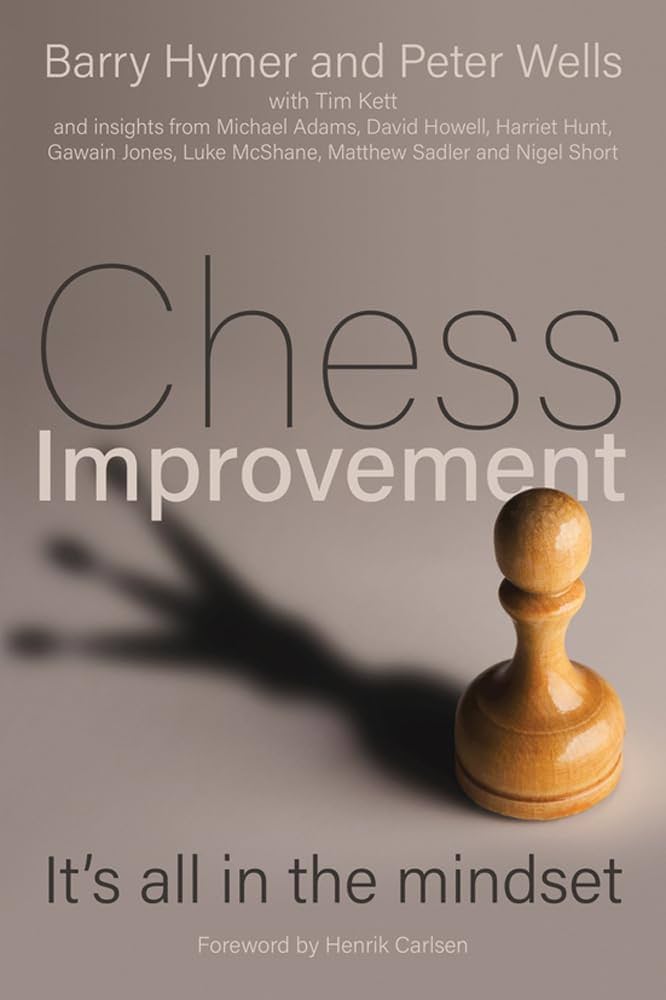
Peter Wells, an English Grandmaster who coauthored a book, Chess Improvement: It’s all in the mindset that I’m actively studying, engaged thoughtfully when I explained how I work through each game mentioned in the book on the board as I read.
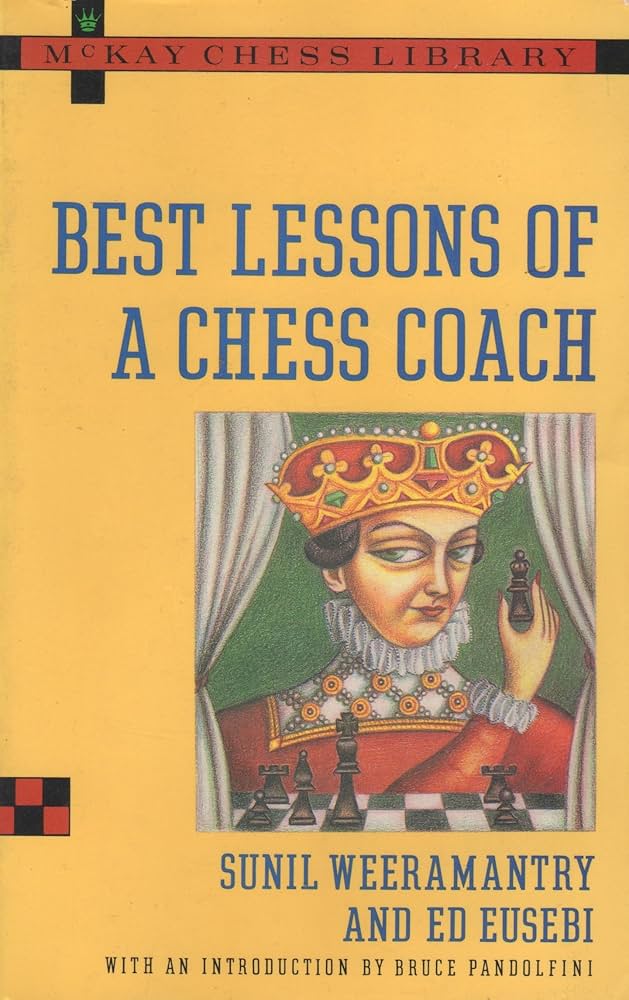
Sunil Weeramantry, FIDE Master, Executive Director and founding leader of the National Scholastic Chess Foundation (NSCF), provided invaluable guidance. A nationally acclaimed chess educator and author of Best Lessons of a Chess Coach and Great Moves: Learning Chess Through History, his deep experience in school-based chess will continue to shape my work long after this conference.
I left the pre-conference evening reception with an even more invigorated sense of purpose, a clearer understanding of what a mature school-based chess program looks like, and actionable insights for how The Dawson Chess Academy can contribute meaningfully to Milford’s growth—helping children, families, and schools discover what becomes possible through chess.
The environment affirmed something I believe deeply: chess is not only a game, it’s also a lens for teaching mindset, resilience, and the belief that every child has the potential to grow into something extraordinary.
This series reflects not only what I saw, but what I learned, what I felt, and how I intend to apply these lessons to strengthen our work in Milford—and to share them thoughtfully with our community over time.
The reflections continue in Part 2.
Related resources:
Mindsets: Chess in Education Conference report & photo gallery