Mindsets: Chess in Education Pre-Conference Reception Conclusion
As the Pre-Conference Reception on Day 1 came to a close, the walk home offered space to reflect on what the evening truly meant.
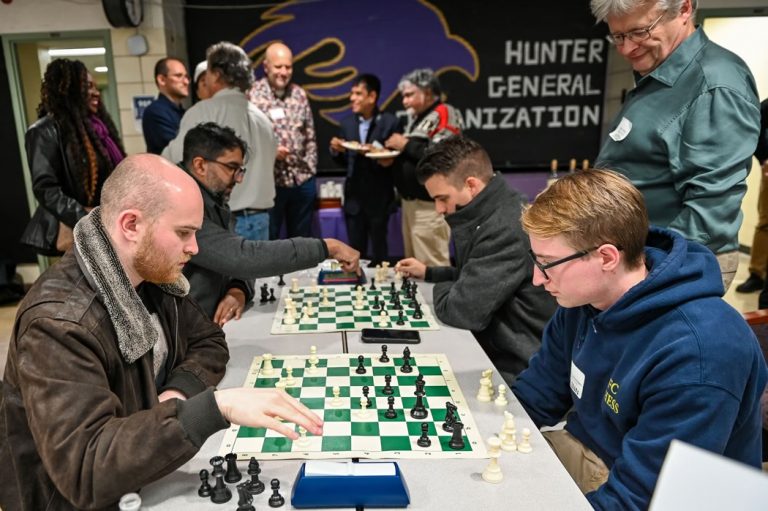
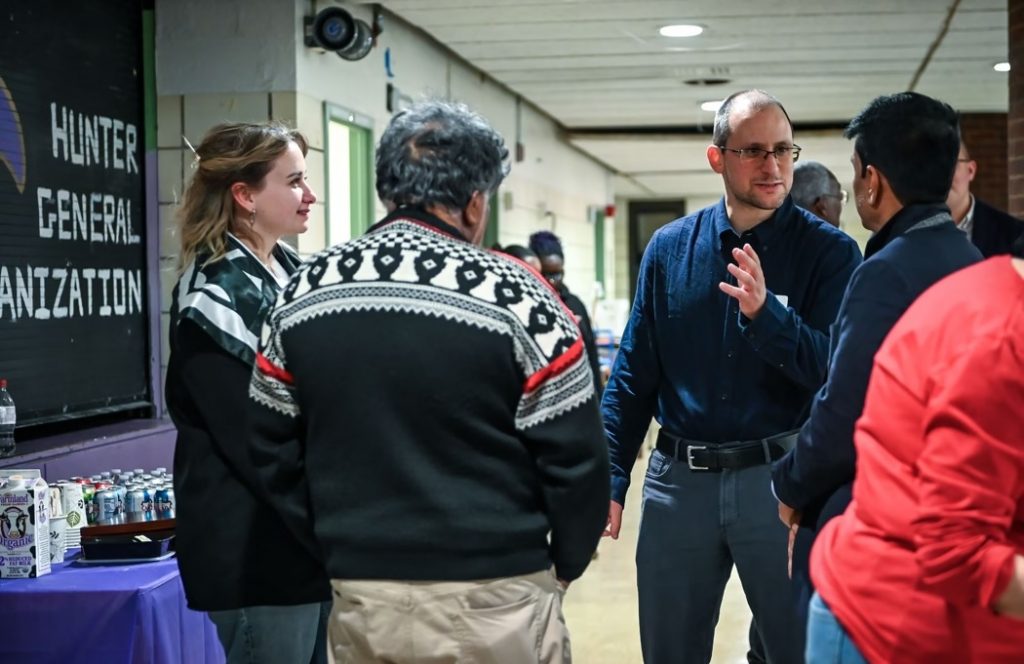
As the reception drew to a close, I found myself taking in the room one last time—the conversations still unfolding in quiet corners, the tables where children and adults had played side by side, the stage where students had stood proudly, the warmth that lingered even as people began to gather their coats. Something about the evening felt both complete and yet only just beginning.
When David and I stepped back into the hallway and made our way toward the exit, we naturally fell into step together. The walk back to the Subway was filled with quiet conversation—each of us reflecting on what we had just seen, sharing impressions, and connecting our thoughts. There was something grounding about speaking with him in that moment, letting the experience settle into place as we made our way through the New York City streets.
As we walked, I kept thinking about the moments that had stood out:
- the young boy bending down to look inside the trophy case,
- the 7th grader giving us the tour with such confidence,
- the clusters of children absorbed in chess outside the auditorium,
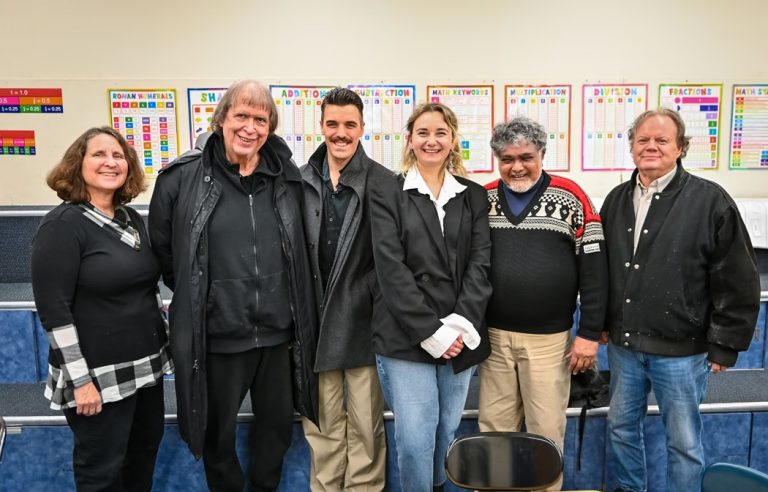
- the authors and educators who had been so open and generous with their time.
The chess culture at Hunter wasn’t built on early success alone or trophies alone. It was built on environment—on the intentional, everyday choices that create belonging, pride, and possibility for children.
But I also kept thinking about the adults:
- the humility of the authors and educators,
- the generosity of the conversations,
- the encouragement from people who have spent decades shaping scholastic chess,
- the sense that I had stepped into a community that welcomed growth and contribution.
Once we boarded the Metro-North, I finally opened my phone and searched for the books that had been mentioned that evening. I purchased Great Moves, and only later while reading it discovered that Robert McLellan, the person I had spoken with so naturally, was one of its coauthors. I also ordered Best Lessons of a Chess Coach, knowing instinctively that these works would shape my understanding and my teaching.
Somewhere between stations, it struck me that this evening wasn’t about comparing Milford to Hunter or measuring our budding programs against theirs. It was about learning what is possible when a school embraces chess not just as a game, but as a mindset—a way of thinking, a tool for growth, a shared language.
And it was about seeing—very clearly—that David and I, and The Dawson Chess Academy have a place in this larger landscape, not as outsiders, but as contributors with something meaningful to offer our own community.
As the Metro North carried us home, I felt energized, humbled, and deeply inspired. The evening had been filled with small moments—conversations, observations, glimpses into the culture—but together they created something much larger. They painted a picture of what a thriving chess ecosystem looks like and gave me a vision of how chess might help shape the lives of children and families in our Milford community.
This wasn’t just a reception. It was a turning point—a glimpse into a richer future for our academy, our students, and the place we call home.
In the coming posts, I’ll continue these reflections with Day 2 of the Mindsets: Chess in Education Conference, in a new series that follows.